

Hollow vs Solid End Links: The Evolution of Rolex Bracelets
- Avi Dayan

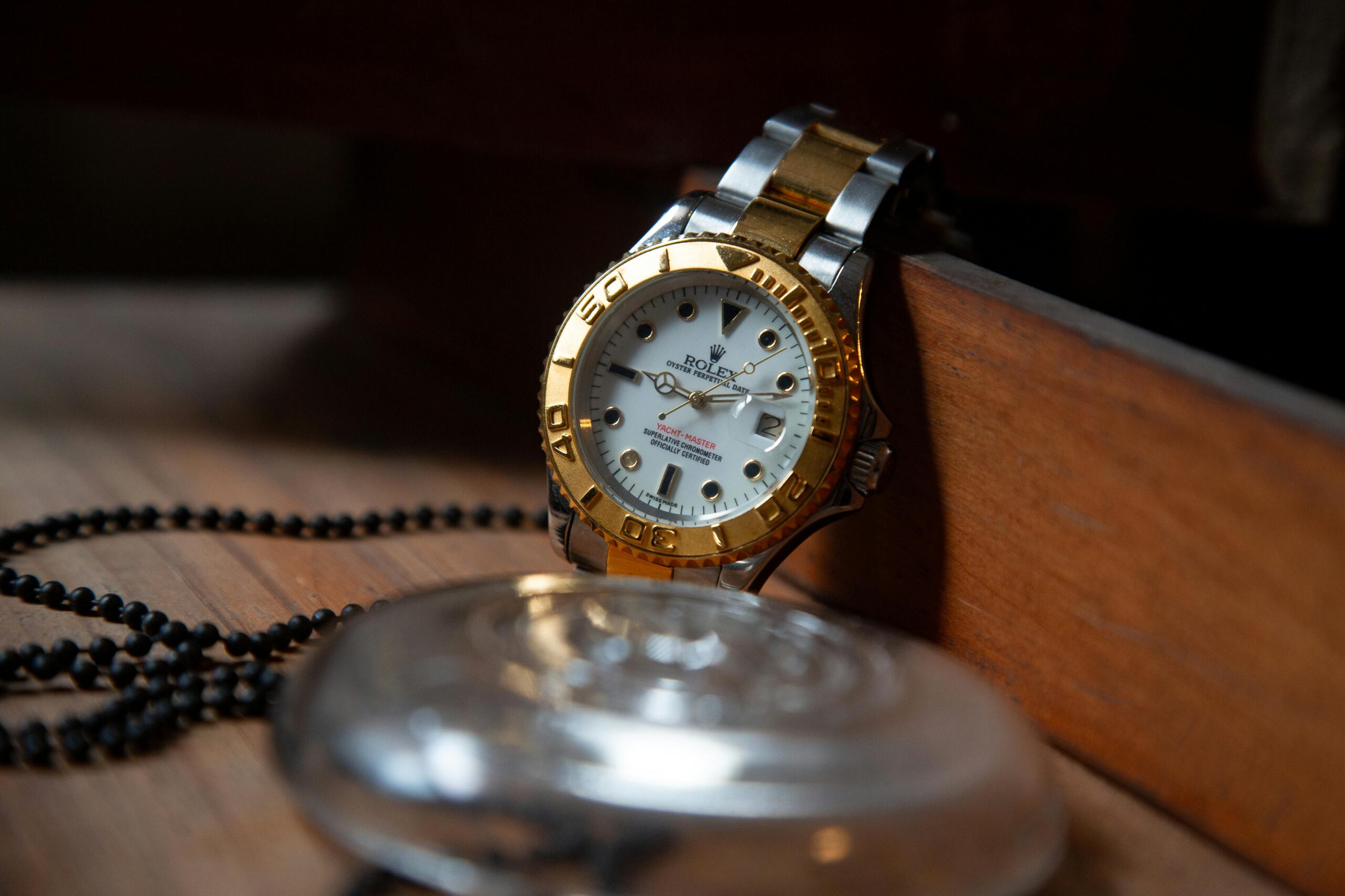
When it comes to Rolex, every detail tells a story. Collectors might obsess over dials, bezels, and reference numbers, but the bracelet design is where a watch’s personality really comes to life. Tucked into that design is one small detail that makes a big difference: the end link. This is the connecting piece that joins the bracelet to the case.
For decades, Rolex relied on hollow end links, giving their watches a lighter, more relaxed feel that many vintage fans still love today. Then, in the late 1990s, the brand introduced solid end links, bringing a sturdier fit and a more refined, modern presence on the wrist. The shift was subtle but significant, marking a clear evolution in Rolex design, and sparking a debate that continues among collectors to this day.
What Are End Links and Why Do They Matter?
An end link is the small but crucial component that connects a Rolex bracelet to the watch case. It sits between the lugs of the case and provides both structure and visual continuity, making the bracelet appear seamlessly integrated with the watch. Without end links, the bracelet would feel incomplete and the fit against the case would be unstable.
Rolex end links are more than just a technical detail. They affect the overall look, comfort, and longevity of the bracelet. A well-designed end link ensures the watch sits properly on the wrist, with the bracelet flowing smoothly from the case. The fit also influences how secure the bracelet feels during daily wear.
Collectors pay special attention to end links because they can reveal a great deal about the history and originality of a watch. The type of end link, whether it is hollow or solid, can help identify whether a bracelet is original to the reference, replaced later, or upgraded over time. This makes end links an important detail for authenticity, collectibility, and even resale value.
Hollow End Links – The Vintage Standard
For much of Rolex’s history, hollow end links were the standard across nearly all models. These end links were made from folded pieces of metal, giving them a lightweight feel and a looser connection between the bracelet and the case. Many enthusiasts recognize hollow end links instantly because they produce the familiar “rattle” often associated with vintage Rolex watches.
The advantages of hollow end links are tied to comfort and authenticity. Their lighter weight makes the watch feel less bulky on the wrist, which many vintage collectors appreciate. They also allow for more flexibility in the bracelet, giving older Rolex models a distinct, easy-wearing character that newer designs often lack. For collectors, original hollow end links can add to the value of a vintage piece by confirming its period-correct components.
However, hollow end links are not without drawbacks. Over decades of wear, they can develop stretch and may not fit as tightly against the case. This looser fit can cause slight movement and wear on the lugs. While these traits are part of the vintage charm, they also highlight why Rolex eventually moved toward a more solid construction.
Solid End Links – The Modern Upgrade
By the late 1990s, Rolex began introducing solid end links, often referred to as SELs, across its professional sports models. Unlike the folded, lightweight hollow version, solid end links are machined from a single block of metal. This gives them a heavier weight, a tighter connection to the case, and a flush, more modern look.
The advantages of solid end links are clear. They provide a more secure fit, eliminating the slight movement that hollow end links can develop over time. This sturdier construction also reduces bracelet stretch and increases durability, which is particularly valuable for daily wear. On the wrist, SELs add noticeable heft, giving the watch a more substantial and premium feel.
That said, not every collector prefers them. Some enthusiasts find the added weight less comfortable, and others argue that solid end links take away a bit of the character and charm that older Rolex models with hollow links provide. Still, for most buyers, the move to solid construction represents a welcome upgrade in quality and longevity.
What Collectors Should Know
The difference between hollow and solid end links is more than just a technical detail; it represents a dividing line between Rolex’s vintage heritage and its modern evolution. For collectors these differences are essential when deciding which type of bracelet best matches their preferences and goals.
Hollow end links appeal most to vintage purists. Their lighter weight, flexible feel, and distinct “rattle” are part of the charm of owning an older Rolex. Watches with their original hollow end links are often more desirable in the collector market, as they confirm authenticity and period correctness. However, they are more prone to stretch and wear, which can affect long-term durability.
Solid end links, on the other hand, offer improved reliability and a sleeker fit against the case. They add noticeable heft and are considered an upgrade in strength and construction. For modern buyers who plan to wear their Rolex daily, SELs are often the preferred choice.
Ultimately, neither is objectively better. Hollow end links carry vintage character and collector appeal, while solid end links deliver modern robustness and long-lasting stability. The choice depends on whether you prioritize authenticity and history or strength and everyday wearability.
Hollow vs Solid End Links: Key Takeaways
The evolution from hollow to solid end links reflects Rolex’s continual pursuit of refinement while preserving the legacy that collectors cherish. Hollow end links carry the charm of vintage references, offering lightness, flexibility, and authenticity that many enthusiasts seek. Solid end links deliver a more substantial feel, improved durability, and a seamless connection that appeals to modern buyers.
For collectors, the decision often comes down to priorities. If originality and vintage character are most important, hollow end links are the clear choice. If reliability and everyday wearability matter more, solid end links provide peace of mind. Both types have their place in the world of Rolex, and both add to the brand’s reputation for timeless craftsmanship.
At A&E Watches, every Rolex is carefully inspected and certified so buyers can shop with confidence, whether they are seeking a vintage model with its original bracelet or a modern watch with solid end links. Explore the collection today and find the Rolex that fits your style, your wrist, and your story.

Avi Dayan
Company Founder
Avi Dayan is the founder of A&E Watches and a Rolex expert of over 30 years. He is also a LLB, attorney, soccer player and James Bond enthusiast. You are not likely to find Avi behind a desk but might find him meticulously restoring a Rolex, making deals or assisting customers.