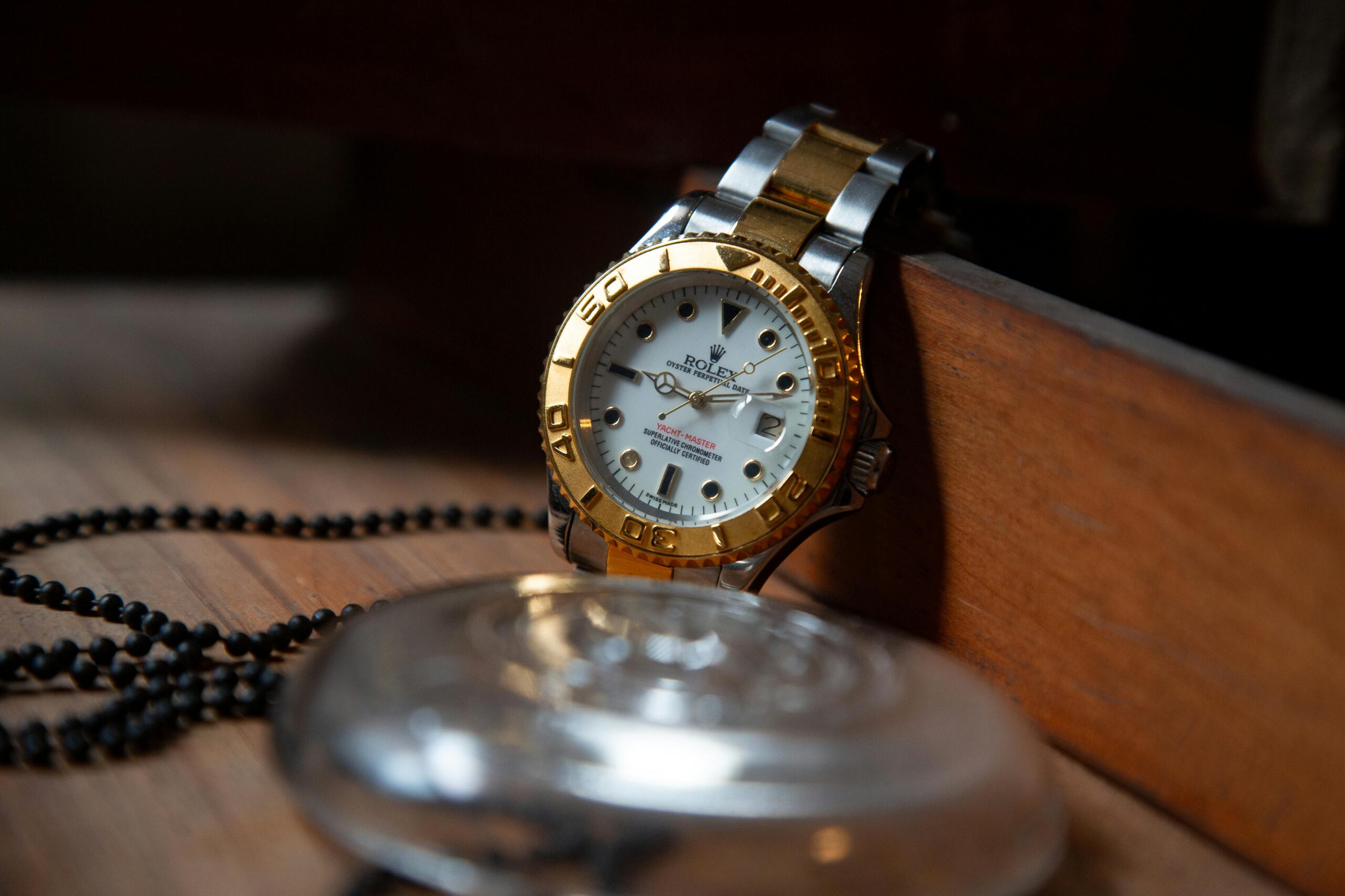



The Rolex Explorer is a watch built for those who seek adventure, and yet, its clean, understated design also makes it a favorite for everyday wear. Originally inspired by the spirit of exploration and human endurance, the Explorer has become one of Rolex’s most iconic and versatile tool watches.
From its connection to the first successful ascent of Mount Everest to its modern iterations, the Rolex Explorer offers a rich history and timeless appeal. In this guide, we’ll take a closer look at the Explorer’s origins, key models, and what to consider when buying one if it’s your first or an addition to your collection.
The History of the Rolex Explorer
The Rolex Explorer was born out of one of the greatest achievements in human exploration. In 1953, Sir Edmund Hillary and Tenzing Norgay became the first climbers confirmed to have reached the summit of Mount Everest. During their expedition, they wore Rolex Oyster watches that had been tested under extreme conditions. That same year, Rolex introduced the Explorer as a tribute to this spirit of adventure.
The earliest Explorers, including References 6350 and 6150, featured the now-iconic 3-6-9 dial design and robust Oyster case. Designed to withstand harsh environments, the Explorer became a trusted companion for mountaineers, polar explorers, and adventurers of all kinds.
Over the decades, the Explorer has evolved while staying true to its roots. Later references introduced movement upgrades, enhanced lume for better visibility, and refined case proportions. Yet throughout its history, the Explorer has remained a watch that balances functionality with timeless style and continues to earn a loyal following among collectors and enthusiasts both.
Rolex Explorer vs. Explorer II: What’s the Difference?
If you’re new to the Rolex Explorer family, it’s easy to wonder how the Explorer and Explorer II differ. While both models share an adventurous spirit, they are designed with distinct purposes in mind.
The original Rolex Explorer is a simple, time-only watch. It features the classic 3-6-9 dial, no date complication, and a clean, versatile design. The Explorer is known for its understated style, durability, and legibility. It’s perfect for those who appreciate a minimalist tool watch that transitions effortlessly from outdoor adventures to daily wear.
In contrast, the Rolex Explorer II was introduced in 1971 as a specialized watch for spelunkers, polar explorers, and anyone needing to track time in low-light environments. It features a larger case, a 24-hour bezel, and an additional GMT hand to distinguish between day and night. The Explorer II also includes a date function, making it a more feature-rich option for those who want extra functionality.
In short:
- Explorer: Time-only, classic field watch aesthetic.
- Explorer II: Larger, with 24-hour GMT functionality and a date display.
Both models have their own appeal so making a decision between them depends on your style and how you plan to wear the watch.
Notable Rolex Explorer Models
Over the years, the Rolex Explorer has evolved through a range of notable references, each offering its own blend of design and performance. Here’s a look at some of the most important models in the Explorer lineup:
Early References (6350, 6150, 6610)
The earliest Explorers, including the References 6350 and 6150, laid the foundation for the model’s design language. These watches featured the now-classic 3-6-9 Explorer dial, a robust Oyster case, and manual or early automatic movements. The Reference 6610 followed with an updated movement and slimmer case, making it one of the earliest Explorers to offer a more wearable profile. Today, these vintage models are highly collectible for their historical significance and distinctive charm.
Explorer Ref. 1016
The Explorer 1016 is one of the most celebrated references in the line. Produced from 1963 to 1989, it holds the title of the longest-running Explorer model. The 1016 maintained a slim 36mm case and timeless aesthetic while incorporating movement upgrades and improved water resistance over the years. Its clean, understated look and rich history make it a favorite among vintage Rolex enthusiasts.
Modern Explorers (Ref. 14270, 114270, 214270)
In the 1990s, Rolex introduced the Explorer Ref. 14270, bringing modern updates to the line. The 14270 featured a sapphire crystal, updated movement, and applied white gold hour markers with luminous plots. The subsequent Ref. 114270 continued these refinements, followed by the Ref. 214270, which increased the case size to 39mm which was a first for the Explorer. These models combined modern reliability with the Explorer’s classic design cues.
Current Explorer (Ref. 124270)
Today’s Rolex Explorer Ref. 124270 marks a return to the model’s roots. Released in 2021, this reference reintroduces the traditional 36mm case size while offering state-of-the-art Rolex movement technology. The 124270 retains the iconic 3-6-9 dial and understated style that defines the Explorer, making it an ideal choice for both longtime collectors and first-time buyers.
Explorer II (Ref. 1655, 16570, 216570, 226570)
While technically a separate model, the Explorer II deserves a mention. Introduced in 1971, the Explorer II offers greater functionality with its 24-hour GMT hand, date display, and larger case size. References like the 1655 “Freccione”, 16570, and modern 216570 and 226570 provide a more tool-focused alternative for those who appreciate the Explorer spirit with additional features.
Why Choose a Rolex Explorer?
The Rolex Explorer has earned its reputation as one of the most versatile and enduring watches in the Rolex lineup. If you’re considering adding one to your collection, here are a few reasons why the Explorer stands out:
Understated Style with Rugged Performance
The Explorer’s design is all about simplicity and function. Its highly legible dial, robust Oyster case, and proven automatic movement make it a true tool watch that doesn’t sacrifice style. So whether you’re wearing it on a mountain trail or at a dinner party, the Explorer fits right in.
Versatility for Every Occasion
With its balanced proportions and clean aesthetic, the Explorer pairs effortlessly with both casual and formal attire. It’s an ideal everyday watch; sporty enough for weekend adventures, yet refined enough to wear with a suit.
Strong Value Retention
The Explorer is also known for its excellent value retention. Well-maintained examples, especially sought-after vintage references, tend to hold or even increase their value over time. This makes it a smart choice for collectors who appreciate both craftsmanship and long-term investment potential.
Historical Significance
Few watches can match the Explorer’s authentic connection to exploration and human achievement. Owning a Rolex Explorer means wearing a piece of horological history, inspired by the pioneers who tested its limits in some of the world’s harshest environments.
The Investment Potential of the Rolex Explorer
While most buyers choose the Rolex Explorer for its rugged charm and versatility, it’s also a model with solid investment potential. The Explorer’s timeless design, long history, and connection to Rolex’s tool watch heritage give it strong appeal on the pre-owned market.
Vintage References, such as the Explorer 1016 and early Explorer II models, have seen significant appreciation in recent years. Well-preserved examples with original parts, box, and papers are particularly sought after by collectors. Even modern references like the 14270, 114270, and the current 124270 are holding their value well and continue to attract new buyers.
One factor that helps support Explorer prices is its enduring relevance. Unlike some flashier Rolex models, the Explorer’s understated aesthetic appeals to a broad range of collectors and enthusiasts. The line also doesn’t experience the same market volatility as more hyped models like the Daytona or Submariner, making it an appealing choice for those looking for both a wearable and stable investment.
Buying Tips: How to Choose the Right Rolex Explorer
If you’re ready to add a Rolex Explorer to your collection, there are a few key factors to consider as you begin your search:
Vintage vs. Modern
First, decide whether you’re drawn to the charm of a vintage Explorer or the modern reliability of newer references. Vintage models like the Ref. 1016 or early Explorer II references offer character and collectability, but they may require more careful ownership. Modern Explorers provide updated movements, improved materials, and enhanced durability which is ideal for daily wear.
Size Preference
The Explorer line has ranged from 36mm to 39mm over the years. If you appreciate a more traditional, compact fit, a 36mm Explorer might be the perfect choice. For those who prefer a larger presence on the wrist, the 39mm models (Ref. 214270) or Explorer II models may be more appealing.
Condition and Service History
Always pay close attention to the condition of the watch and whether it comes with a known service history. A well-maintained Explorer with genuine parts and proper servicing will deliver the best ownership experience and help preserve the watch’s value.
Buy From a Trusted Dealer
Finally, be sure to buy your Explorer from a reputable source. At A&E Watches, every pre-owned Rolex is A&E Certified Pre-Owned, inspected and serviced by experts using genuine parts whenever possible. We provide full transparency about each watch’s condition and history, so you can buy with confidence.

How to Care for Your Rolex Explorer
Proper care is essential to keeping your Rolex Explorer performing at its best and looking great for years to come. While the Explorer is built to withstand the rigors of adventure, a little routine maintenance will help preserve its value and functionality.
Wear It Regularly
Automatic watches like the Explorer are designed to be worn. Regular wear keeps the movement lubricated and functioning smoothly. If you rotate multiple watches, consider using a watch winder to keep your Explorer running when it’s not on your wrist.
Clean It Gently
To maintain the case and bracelet’s appearance, periodically clean your watch with a soft cloth and mild soap and water. Be sure the winding crown is fully screwed down before cleaning, and avoid exposing your Explorer to harsh chemicals.
Service It at Recommended Intervals
Rolex recommends servicing your watch approximately every 5 to 10 years, depending on wear. Regular service by a trusted expert will ensure that the movement is properly lubricated, seals are replaced, and water resistance is maintained.
Store It Properly
When you’re not wearing your Explorer, store it in a clean, dry place, ideally in a watch box or pouch to protect it from dust and scratches.
By following these simple care tips and having your watch professionally serviced when needed, you’ll help preserve your Rolex Explorer’s performance, appearance, and long-term value.
Why the Rolex Explorer Belongs in Your Collection
Few watches embody the spirit of adventure like the Rolex Explorer. With its rich history, timeless design, and versatile appeal, it remains a standout choice for collectors and first-time buyers alike. Whether you’re drawn to a classic vintage model or a modern reference, the Explorer offers a perfect blend of rugged performance and understated style.
If you’re ready to explore your options, visit our A&E Watches Explorer collection or contact us today. Our knowledgeable team is here to help you find the ideal Rolex Explorer and guide you through every step of your purchase with confidence.