


Learn how to authenticate a Rolex by checking model and serial numbers, rehaut engraving, movement, case back, and bracelet details.
How to Authenticate a Rolex
Authenticating a Rolex takes more than one quick glance. At A&E Watches, we verify a watch by checking the model and serial information, the movement, the case back, and the bracelet details together — because no single detail tells the full story on its own.
If you are trying to confirm a Rolex before buying, selling, or servicing it, this guide explains the same checkpoints experienced watch professionals use to evaluate Authenticity Guarantee.

Start With the Model Number
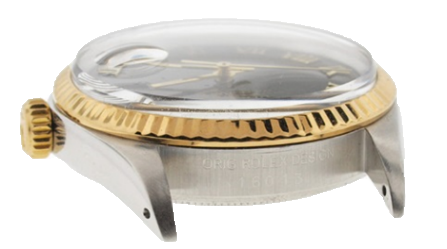
The model number, also called the reference number, is one of the first places to begin. On many Rolex watches, it is located at the 12 o’clock side of the case, where the bracelet meets the lugs, and the bracelet must usually be removed to see it clearly.
The reference number helps identify the watch family, material, and overall configuration. If the reference does not match the dial, bezel, bracelet, or case design, that is a sign the watch needs closer inspection.
Check the Serial Number
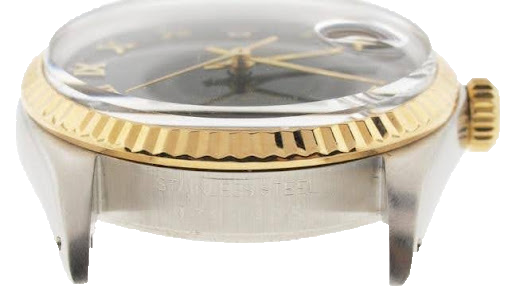
The serial number is another key identifier. On older Rolex watches, it is typically engraved at the 6 o’clock side of the case between the lugs, while on newer models it often appears on the rehaut, the inner bezel beneath the crystal.
The serial number should match the expected production era and the style of the watch. A correct serial number does not prove authenticity by itself, but an incorrect serial placement, engraving style, or mismatch with the watch’s era is an immediate red flag.
Inspect the Rehaut Engraving
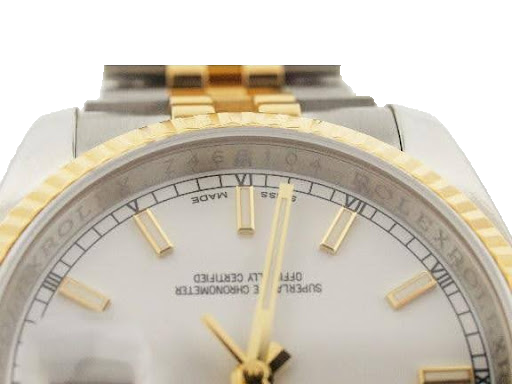
On many modern Rolex models, the rehaut carries the serial number and Rolex engraving around the inner bezel. This engraving should be sharp, clean, and consistent with the production period of the watch.
Poor alignment, weak engraving, or details that do not line up with the expected model can indicate a problem, but this area should always be judged together with the rest of the watch rather than in isolation.
Verify the Movement
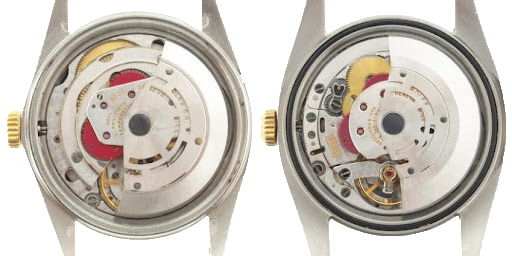
The movement is one of the most important checkpoints in any Rolex authentication process. Each movement should have the proper caliber, finishing, signature, and internal characteristics for that specific reference and era.
This step requires opening the case back, which should only be done by a trained watchmaker or qualified technician. The movement serial, caliber, and overall construction should make sense for the watch as a whole, not just look impressive on their own.
If you are considering buying a watch from A&E, you can also see how this fits into our
Certified Pre-Owned process
Review the Case Back
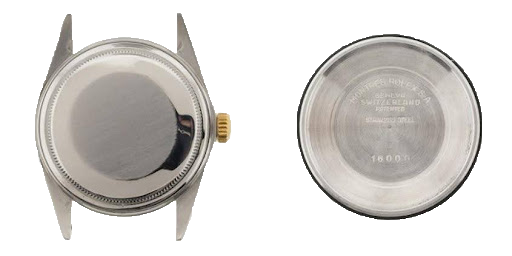
The inside of the case back often contains identification and manufacturing details that help support authentication. Most Rolex case backs are plain on the outside, with certain exceptions depending on the model and era.
What matters is whether the case back construction, markings, and finishing are appropriate for that specific Rolex reference. Like every other checkpoint, the case back should confirm the story the rest of the watch is already telling.
Examine the Bracelet and Clasp Codes
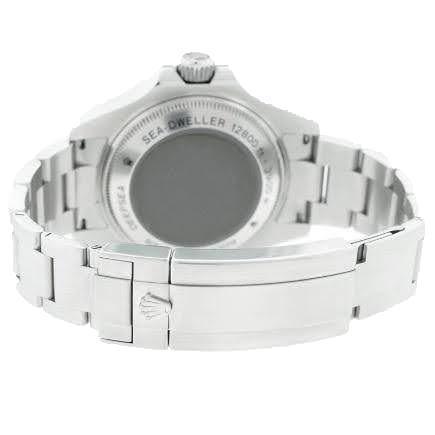
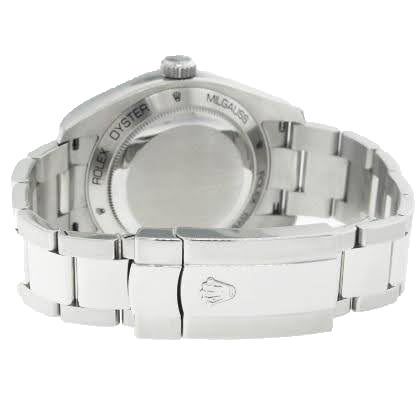
Rolex bracelets and clasps often include codes or stamps that help identify production timing and compatibility. These details can be useful, but they should never be treated as a standalone verdict because bracelets are sometimes replaced during the life of a watch.
A genuine Rolex bracelet can still show a different date code than the case, especially on serviced or older watches. The real question is whether the bracelet, clasp, and watch belong together in a way that makes sense for the model and its history.
If you want to sell or trade in a Rolex and are unsure what these details mean for value, visit
Sell/Trade Your Watch
Look at the Whole Watch, Not One Detail
One of the biggest mistakes buyers make is trying to authenticate a Rolex from a single clue. A real authentication process compares the model number, serial number, movement, case back, bracelet, dial, bezel, and overall build quality as one complete picture.
That is why a watch can pass one or two “internet tests” and still have serious issues. Authentication is not about finding one magic sign — it is about checking whether every part of the watch agrees with the rest.
Need a Second Opinion?
If you are unsure about a Rolex you own or are thinking about buying, bring it to A&E Watches and we will tell you exactly what you have. You can also read our:
explore our
Certified Pre-Owned process →
or
sell your Rolex to A&E →